
 Henos Adhana
Selling an adult family home in Washington
From the first decision to the day the new owner is licensed, in plain steps. Who does what, and where I come in.
- Before you decide
- Getting ready
- The money
- Closing day
Henos Adhana, licensed Washington real estate broker #25016434, eXp Realty
henosadhana.com
My parents' home
Before you read this
My family runs a licensed adult family home north of Seattle. My parents turned an ordinary house into a licensed home themselves, and I watched the house side of it up close, from breaking ground to the first resident.
I wrote this guide for owners starting to think about what comes next. Maybe you are ready to retire. Maybe your health or your family needs you somewhere else. Maybe someone has asked whether you would sell.
Selling a home like this is two sales and a state license on one calendar. Most of it does not belong to me. Your attorney, your accountant and DSHS each have their part, and I tell you which, so you ask the right person.
My part is the house. I price it, get it ready, find the buyer and keep its dates in line with everything else. I will tell you when the answer is to wait.

Henos Adhana
Licensed Washington real estate broker #25016434, eXp Realty
Free guide
Selling an adult family home in Washington
From the first decision to the day the new owner is licensed, in plain steps. Who does what, and where I come in.
Henos Adhana, licensed Washington real estate broker #25016434, eXp Realty
Checked October 21, 2026 against DSHS, Washington law, the Department of Revenue, L&I and ESD. Fees, rules and processing times change, so confirm before you rely on any of it. Every source is linked on the web version of this guide, at henosadhana.com/guides/adult-family-home-sellers-guide/.
Selling an adult family home is usually two sales that have to land together: the house, and the business inside it. The state license goes with neither. The buyer applies for their own.
This guide walks through the steps in the order they happen. Some are mine: the house. The business side belongs to your attorney, your accountant, DSHS and a business broker if you use one. Each step says who does it, and lists the rules and where they come from.
Contents · 14 steps
- Where you are
- Step 1Start with where you are
- Step 2Three ways out
- Step 3What a buyer is buying
- Getting ready
- Step 4Gather your records
- Step 5The house a buyer will walk
- Step 6Two prices, two people
- The money
- Step 7Taxes on the way out
- Step 8Paid taxes are the buyer's question too
- The sale
- Step 9Finding a buyer, and keeping it quiet
- Step 10The agreements
- Step 11The change of ownership with DSHS
- Step 12Residents, families and staff
- Closing
- Step 13Closing day, and after
- Step 14What I do, and what I do not
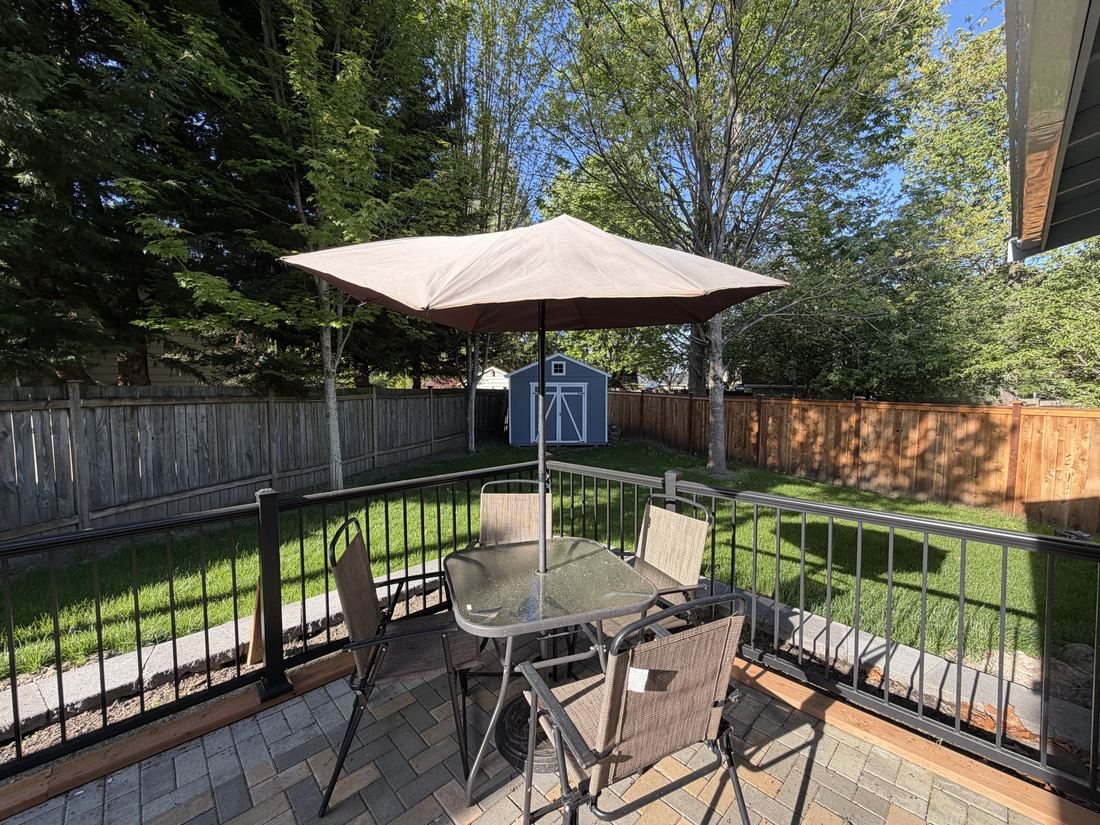
Part one
Where you are
Five questions, three ways out, and what a buyer is really buying.
My parents turned an ordinary house into a licensed home themselves. It took two years from the day work began to the day they had a license.
My parents' home
Part one
Where you are
Five questions, three ways out, and what a buyer is really buying.
My parents turned an ordinary house into a licensed home themselves. It took two years from the day work began to the day they had a license.
Step 1
Start with where you are
This step is yours. Before you call anyone, answer five questions. Your answers decide which steps matter most to you.
1. Why are you selling? Retiring, health, family, a move, or an offer you did not expect. The reason sets the pace. A health reason may need a fast plan.
2. When do you want to be done? Count back from that date. The state's part alone takes months, and it starts only after you have a buyer.
3. Do you own the house? If you do, you can sell it, keep it and lease it to the new owner, or sell it later. If you rent it, your landlord is part of your sale, because every owner of the property signs a statement for the buyer's license application.
4. How full is the home, and who pays? Count residents who pay privately, residents on Medicaid, and any specialty payments. A buyer reads these numbers first, and some of them do not carry over to a new owner (step 3).
5. Will your staff stay? A buyer is paying for a home that runs, and people run it. You may not know yet, and you should not ask too early (step 9).
One more. If anything is open with DSHS, such as a complaint, a citation or a plan of correction, write it down. Step 4 explains why it matters.
If you do not know an answer yet, that is fine. Write down what you know, and we come back to your answers when we talk.
Where this comes from
Every property owner signs a dated permission statement for the buyer's application, and DSHS starts processing only when an application is complete.
Where to check this
Step 2
Three ways out
Choose this with your attorney and accountant. I can tell you what the house is worth in each case. There are three ways out, and the one you choose sets the order of everything after it.
Sell the business, keep the house. A new owner buys the business and leases the house from you. It is still a change of ownership with DSHS, because the license belongs to the licensed provider, not to whoever holds the deed. The buyer applies for their own license, and you still give 60 days' written notice.
Sell both. The house and the business go to one buyer, in two agreements aimed at one closing. It is the cleanest way out, and it takes the most planning, because both sales and the buyer's license must line up.
Close the home and sell the house. You stop running the home, help every resident move, and sell the house as a house. There is no wait for a buyer's license. You give DSHS, each resident and each representative at least 30 days' written notice, and carry out a discharge plan for every resident. Ask DSHS whether a longer notice applies, and give more time if you can. You also give up the value of a running business. A later operator would need a brand-new license, and local building approval first. Some older homes keep allowances under older building rules. Ask DSHS whether closing would end yours.
If you keep the house. If your rent is a share of the business, or you help with costs, residents' fees, finding residents, management or care, the state calls that an active interest. The buyer must then name you on their license application. Ask your attorney to write the lease and keep it to property terms.
If you only want to step back. If your home is licensed to a company, naming a new entity representative is not a change of ownership. If you want less daily work rather than a sale, ask DSHS about that first.
Where I fit. If you sell the house, I price it, list it and find the buyer. If you are weighing keeping it, I tell you what it would sell for today. The business price and the business agreement belong to your attorney, your accountant and a business broker if you use one.
The rules, with sources
A change of ownership needs a new license whether or not the real property transfers, and selling half or more of a company's shares counts too.
Where to check this
- WAC 388-76-10105, change of ownership, Washington State Legislature
- WAC 388-76-10210, closing a home, Washington State Legislature
- WAC 388-76-10095, owners with an active interest, Washington State Legislature
- WAC 388-76-10700, local building approval, Washington State Legislature
- WAC 388-76-10106, the 60-day notice, Washington State Legislature
Keeping the house and selling only the business is still a change of ownership.
Step 3
What a buyer is buying
DSHS sets most of this step. The buyer is not buying a license. They are buying a house or a lease, a business, and a fair chance that residents and staff stay.
What can change hands. The house, if you sell it. The business: the name, the phone number, the website, the furniture and equipment, and the goodwill, which is the value of a home families already trust. Your attorney writes or reviews the business agreement that lists them.
The license stays behind. A license is valid only for the provider and the address on it. The buyer applies for their own. You stay the licensee, responsible for the home every day, until DSHS licenses the buyer. Your license ends that day. Selling half or more of your company, instead of its assets, is a change of ownership too.
The Medicaid contract ends. It ends on its own on the day the licensee changes. DSHS pays you for care up to the change. Ask the DSHS contracts unit which day is your last paid day. The buyer must sign their own contract after they are licensed.
Specialty contracts end too. Meaningful Day, Expanded Community Services and Specialized Behavior Support contracts do not transfer, and each needs 12 months of history before DSHS signs one. DSHS does not say whether the home's history counts for a new owner, so a buyer may plan for a year or more without those payments. If your income leans on them, say so early.
The residents decide. Each resident is told in writing that they may stay or move, and the choice is theirs.
What a buyer takes on anyway. The buyer must fix any DSHS deficiencies still open at the change. They take on your workers' comp claim history with the Department of Labor & Industries (L&I) and, often, your unemployment tax rate with the Employment Security Department (ESD). They can also be held liable for your unpaid state taxes, premiums and unemployment taxes unless you show they are paid. Steps 4 and 8 cover the proof.
Seven and eight bed homes. Only an experienced provider can take one over at that size. They need at least 24 months licensed, 12 of them at six or more residents, and two full inspections with no enforcement action. Fewer buyers qualify, so plan for a longer search.
In October 2026, DSHS was still working on license applications it received in June 2026. Plan for months, not weeks.
The rules, with sources
The seller's letter, DSHS 10-412, says the seller remains the licensee, responsible for daily operations, until DSHS licenses the buyer.
Where to check this
- WAC 388-76-10010, the license, Washington State Legislature
- DSHS 10-412, the relinquishment letter, DSHS
- Sample Medicaid contract, DSHS
- Specialty contracts, DSHS
- WAC 388-76-10032, seven and eight bed homes, Washington State Legislature
- WAC 388-76-10105, change of ownership, Washington State Legislature
- Information for prospective providers, DSHS
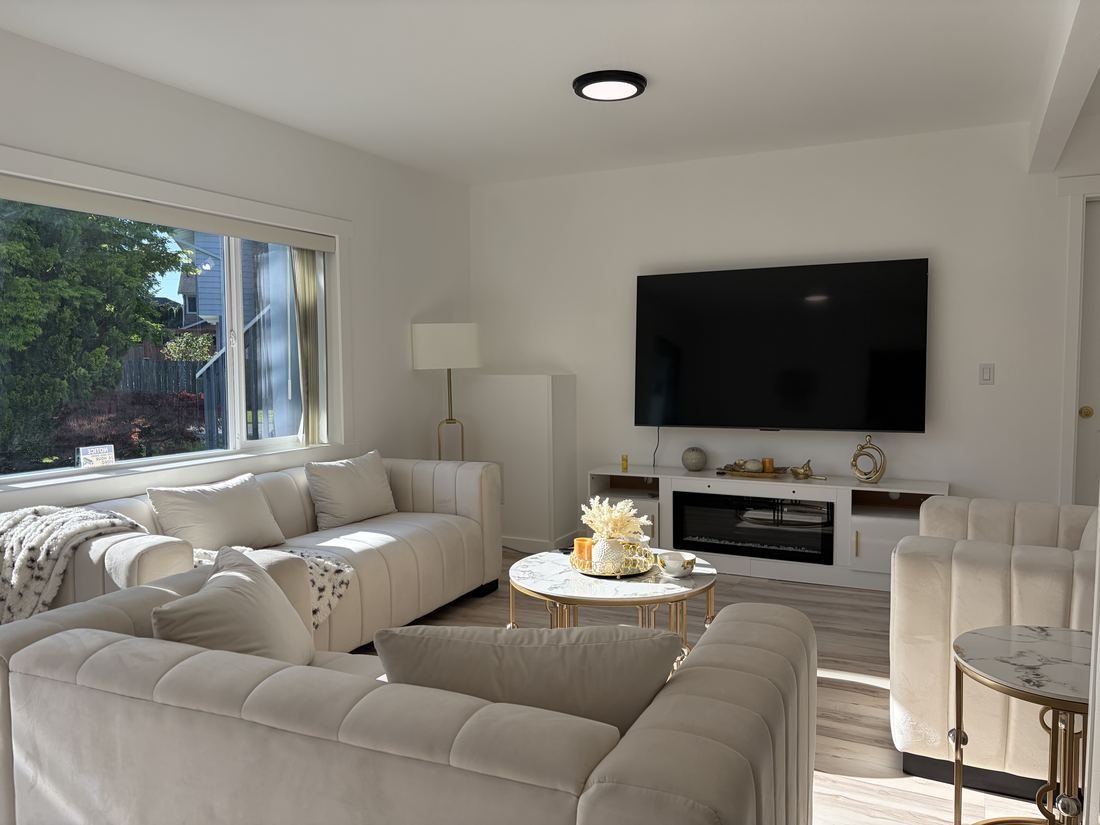
Part two
Getting ready
Your records, the house a buyer will walk, and the two prices.
My parents' home
Part two
Getting ready
Your records, the house a buyer will walk, and the two prices.
Step 4
Gather your records
This step is yours, and your attorney and accountant will add to it. A buyer, the buyer's lender and DSHS will all ask for papers. Gather them before you list. There is a worksheet at the back of the PDF version of this guide.
Your DSHS record. Your license and any conditions on it, approved exemptions, and three years of inspection reports, complaint investigations, plans of correction and enforcement letters. A buyer can read most of this on the state's locator, so read it first.
Close what is open. Before DSHS licenses a buyer, a field manager reviews open complaints, your latest inspection, uncorrected deficiencies and enforcement history. The buyer must fix whatever is still open. Correct what you can before you list, and ask your field manager about anything still open.
Residents and money. Your disclosures of services and charges. Your Medicaid and specialty contracts. A count of private and Medicaid residents, with Medicaid rates and what each resident pays toward care, and no names. Recent payment statements, and the ledger for any resident money you hold. If the buyer uses an SBA loan (backed by the U.S. Small Business Administration), the lender will want three years of your financial statements and will check them against your IRS tax transcripts.
Staff. A list with hire dates, training, certificates and TB results. Ask DSHS which background check results you may share. Fingerprint results may not be shared between homes.
Your L&I claim history. Only you, the current owner, can request it: the Injury and Cost Profile, the injury report and the rate projection. A buyer takes on this history and will ask to see it.
Proof your taxes are paid. A Tax Status letter from the Department of Revenue, and proof for L&I and ESD (step 8).
The house. Owner names that match the county assessor, property taxes paid, a signed permission statement from every owner, and any septic or well approvals.
Privacy. Resident records stay in the home, and a resident may refuse to have theirs released. Share numbers without names, and ask your attorney before you share more.
The rules, with sources
Where to check this
- Adult family home locator, DSHS
- Residential Care Services manual, chapter 12, DSHS
- Buying a business: workers' comp history, Washington L&I
- WAC 388-76-10174, sharing background checks, Washington State Legislature
- WAC 388-76-10315, resident records, Washington State Legislature
- SBA SOP 50 10, U.S. Small Business Administration
Step 5
The house a buyer will walk
This step is mine, with you. DSHS reviews the home's record, not the house, before it licenses a buyer through a change of ownership. So the buyer's inspector, lender and appraiser look at the house instead, closely.
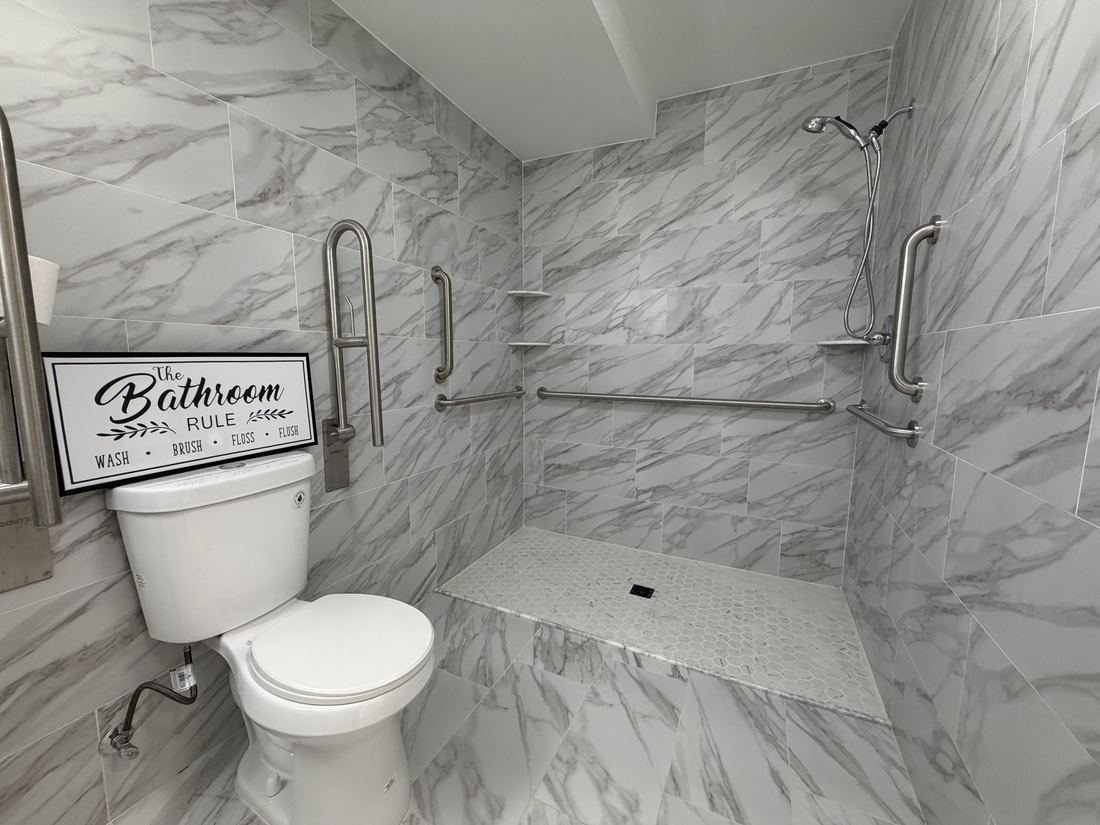
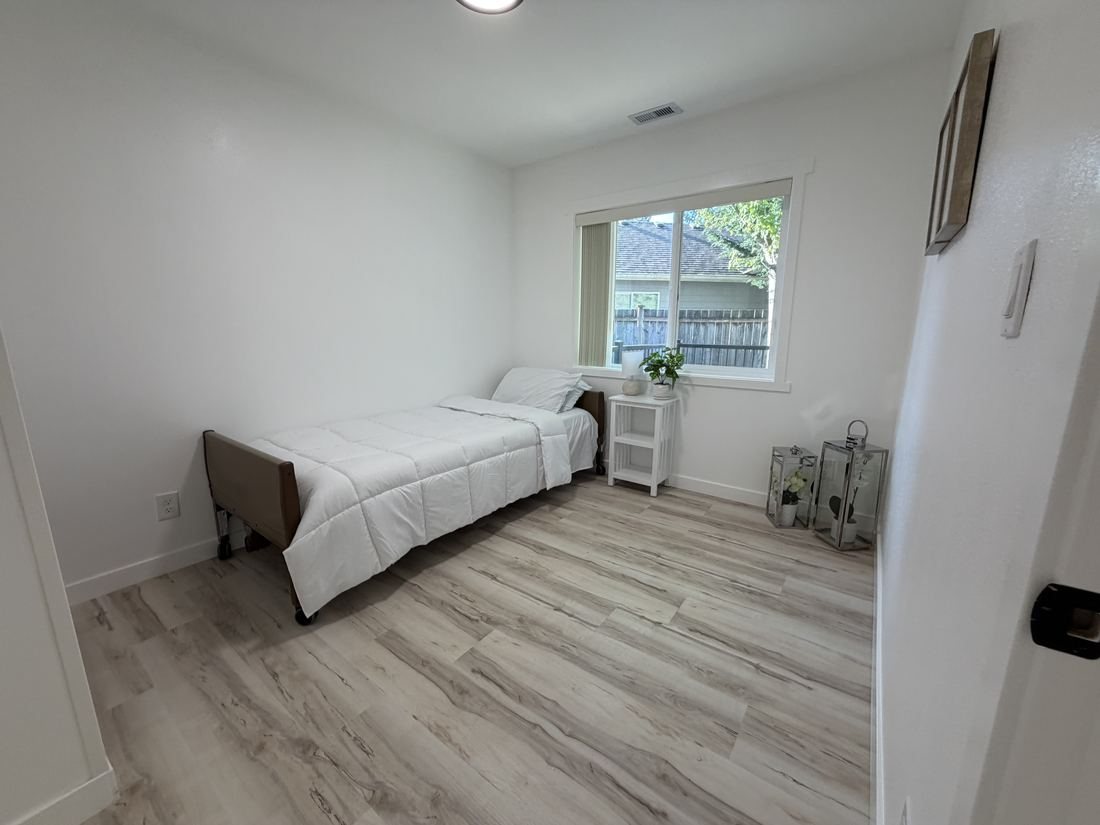
Walk it the way a buyer will. My buyer's guide tells buyers to tour with a tape measure. They measure bedrooms, count the toilets a resident can reach from the hallway, check the narrowest door, and look for a path to the street with no steps. They ask about water, sewer and septic. Walk your house with the same eyes first.
Fix the small things. Smoke alarms that work, clear exits, windows that open. A loose grab bar, a dripping shower, a sticking door, a cracked front step. They are cheap to fix and costly to leave, because a buyer reads them as a sign of how the home is kept.
If you close and sell the house. A buyer who wants to open a new home there needs local building approval first. Your own signed building checklist and floor plan help that buyer.
Form 17. Washington's seller disclosure law covers a house with one to four dwelling units. State law treats an adult family home as a residential use, so in most cases you fill out Form 17 unless the buyer waives it. Even then, the environmental section still applies if any answer there is yes. The answers are yours, from what you actually know. I explain each section, and your attorney can help with any answer you are unsure of.
Showings. People live in your home. We show it at set times, with notice, and residents, their faces and their things stay out of the photos.
The rules, with sources
Where to check this
- RCW 64.06.005, which property the disclosure covers, Washington State Legislature
- RCW 64.06.010, waiving the disclosure, Washington State Legislature
- RCW 70.128.140, a residential use, Washington State Legislature
- Residential Care Services manual, chapter 12, DSHS
Step 6
Two prices, two people
This step has two owners. I price the house. Your accountant or a business broker prices the business.
The house. I price it from nearby sales of similar houses, its condition and the timing. Then I weigh what an adult family home buyer looks for: bedrooms, bathrooms, a step-free path, and sewer or septic. I show you the sales behind the number.
The business. It is priced from its income, its residents and its record. That is not my work, and I do not value businesses. If you want a business broker, I can give you names. One option is eXp Commercial, a separate company from eXp Realty.
Online ranges are not a price. Any calculator, including the one on my seller page, gives only a rough range from monthly income. Take it to your accountant or business broker. I do not price businesses.
The split changes your tax. The price is divided among the house, the furniture and equipment, and the goodwill, and each is taxed in its own way. You and the buyer report the split to the IRS, and the state can use it to value the house for its excise tax. So settle the split with your accountant before you agree on the total, and have your attorney write it into the agreements.
Where the split shows up
Where to check this
- WAC 458-61A-102, the selling price, Washington State Legislature
- About Form 8594, IRS
- Publication 544, sale of a business, IRS
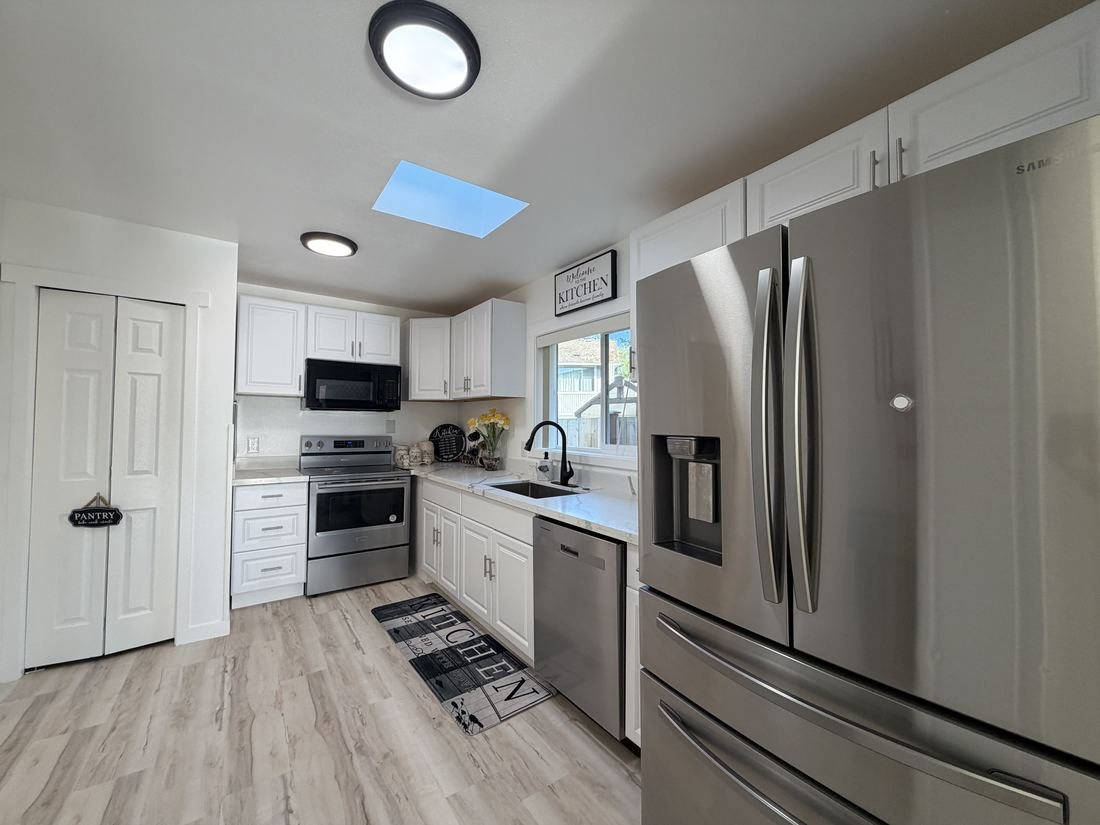
Part three
The money
The taxes on the way out, and why a buyer asks whether yours are paid.
My parents' home
Part three
The money
The taxes on the way out, and why a buyer asks whether yours are paid.
Step 7
Taxes on the way out
This step belongs to your accountant. I can tell you which taxes come up, so you know what to ask.
Excise tax on the house. The seller usually pays it. It is due on the date of sale, and escrow collects it. It has a state part that rises in steps with the price and a local part on the whole price. It is charged on the house only, not the furniture or goodwill. The rates, and the change on January 1, 2027, are in my excise tax guide.
If you keep the house and lease it. A plain lease is not a sale, so there is no excise tax. A lease with an option to buy is taxed when the option is used. If the house sits in a company and half or more of the company changes hands, the tax applies as if the house sold. Rent is outside the business and occupation (B&O) tax.
Sales tax on furniture and equipment. The Department of Revenue says sales tax applies when furniture, equipment and vehicles are sold with a business. Ask your accountant how that applies to your home. Goodwill is not subject to sales tax or B&O tax. County personal property tax must be paid when that property is sold.
B&O tax. It does not apply to licensed adult family homes (RCW 82.04.327), and the house sale is outside it too.
Washington capital gains tax. It is 7% on long-term gains above a yearly standard deduction, plus 2.9% on gains over $1 million. Real estate is exempt, and so are furniture and equipment that can be depreciated. Goodwill is not. A family-owned small business deduction can remove the gain, but only if strict tests are met, such as five years of ownership. Ask your accountant whether you qualify.
Federal tax. In an asset sale, each asset is taxed on its own. Depreciation you took on the house is taxed at up to 25%, and the home-sale exclusion does not cover it. Whether the exclusion covers any of the rest depends on whether and how you lived there. That is for your accountant.
Ask before you set the price. Each of these depends on the split and on your own situation. Bring your accountant in before you agree on a price.
The tax rules, with sources
Goodwill is amortizable under section 197 of the federal tax code, so it does not qualify for Washington's exemption for depreciable property.
Where to check this
- Real estate excise tax, Department of Revenue
- WAC 458-61A-106, lease with an option, Washington State Legislature
- WAC 458-20-118, rent, Washington State Legislature
- Sell my business, Department of Revenue
- RCW 82.04.327, adult family homes and B&O, Washington State Legislature
- Capital gains tax, Department of Revenue
- RCW 82.87.040, capital gains rates, Washington State Legislature
- WAC 458-20-301, capital gains and goodwill, Washington State Legislature
- RCW 82.87.070, family business deduction, Washington State Legislature
- Topic 409, capital gains, IRS
- Publication 523, selling your home, IRS
- RCW 82.04.390, Washington State Legislature
- WAC 458-61A-101, Washington State Legislature
Step 8
Paid taxes are the buyer's question too
This step is you, your accountant and escrow. In Washington, a buyer can be held liable for a seller's unpaid taxes. So a careful buyer asks for proof that yours are paid, or holds back part of the price until you show it.
The Department of Revenue. You file a final return, with payment, within 10 days of the sale. If you do not, the buyer can become liable for the full amount, and the law lets them hold back enough of the price to cover it.
The Tax Status letter. This is your proof. Get it free in My DOR, the Department of Revenue's online account. It usually comes at once. You can also give the buyer an access code so they can check it themselves. The code works for 30 days. It shows your account on that day. It does not prove past returns were right, and it does not cover the house's excise tax.
L&I and ESD. The same 10-day rule and holdback apply to workers' comp premiums and unemployment taxes. The buyer also takes on your L&I claim history, and a buyer with no employees yet takes on your unemployment tax rate for the rest of the year.
Closing your accounts. One request in My DOR closes your state account and tells Business Licensing, ESD and L&I. ESD also wants its own Business Change Form, with a copy of the sale document. Your final ESD quarterly report is due within 10 days of closing the account, with a final Paid Family and Medical Leave report. Keep your business records for five years. You do not need a Revenue Clearance Certificate to sell. It is only for dissolving a corporation.
Why it helps you. A buyer who can see your taxes are paid has less reason to hold money back. Ask your accountant to check before you list.
The rules, with sources
Where to check this
- RCW 82.32.140, the buyer and unpaid taxes, Washington State Legislature
- Request a tax status letter, Department of Revenue
- Close my account, Department of Revenue
- RCW 51.16.200, workers' comp on a sale, Washington State Legislature
- RCW 50.24.210, unemployment tax on a sale, Washington State Legislature
- RCW 50.29.062, the buyer's tax rate, Washington State Legislature
- Closing your business tax account, Employment Security Department
- Revenue Clearance Certificate, Department of Revenue
Part four
The sale
Finding the buyer, the agreements, the change of ownership, and the people in your home.
My parents' home
Part four
The sale
Finding the buyer, the agreements, the change of ownership, and the people in your home.
Step 9
Finding a buyer, and keeping it quiet
Finding a buyer for the house is my part. I market the house only. If you also sell the business, your business broker or attorney handles buyers for the business, and I keep the house dates in line with theirs.
Who buys. People who just finished their training and want a home that already runs. Providers who want a second home. Investors who buy the house and lease it to a licensed operator. There are fewer of them than for an ordinary house, and whoever runs the home must qualify for a license.
Where buyers look. The MLS has no adult family home category. Some homes are listed as ordinary houses. Some sell through business brokers or from one operator to another, without a listing. We decide together how public the house listing should be. Your business broker or attorney decides what is said about the business.
Keep it quiet at first. Residents, families and staff should hear it from you, not from a listing. Before a buyer sees your income, residents or records, ask your attorney for a confidentiality agreement for the buyer to sign. I can show the house without the business details.
Check the buyer first. Ask about their caregiving hours, their training and their lender before you share anything. A buyer who cannot get a license or a loan cannot close, however good the price. For the house, I check that a buyer can pay for it. Your attorney or business broker checks the rest.
When to tell people. The law sets the latest date: written notice at least 60 days before the change. The buyer's application must include a copy of that notice, and your 10-412 says you already told each resident in writing. So the notice goes out before the buyer applies. A good time to tell staff and residents in person is after you have a signed agreement, just before the written notice. Tell everyone the same thing, close together. Plan the timing with your attorney.
Showings. At set times, with notice. Buyers see the rooms, not the people. Questions about residents and income go through your attorney.
Where to check this
- WAC 388-76-10106, notice of change of ownership, Washington State Legislature
- WAC 388-76-10105, change of ownership, Washington State Legislature
Step 10
The agreements
Your attorney leads this step. I write and negotiate the house agreement with you. A sale usually has two or three agreements, and they must fit together.
The house. A Washington real estate purchase and sale agreement, on the standard residential forms. I write and negotiate it with you: price, earnest money, inspection, financing and closing date. If earnest money is your only remedy when a buyer fails to close, the law caps it at 5% of the price.
The business. A separate business purchase agreement, on a Commercial Brokers Association form or written by an attorney. Your attorney writes or reviews it. It sets the business price, what happens to resident money and deposits, how the month's charges are split, and what happens if residents move out before closing.
The lease, if you keep the house. Written or reviewed by your attorney, and kept to property terms: rent, length, repairs, and what happens if you sell later (step 2).
Tie them to the license. DSHS does not wait for your closing, and your closing does not wait for DSHS. Your license ends on the day DSHS licenses the buyer, closed or not. So your attorney lines up the dates. For example: closing a set number of days after the license, a last date for the license, and what happens if it is late or denied. I set the house dates to match.
Tie them to each other. Your attorney can link the agreements so that both close, or neither does.
What the buyer will ask for. A license by a set date. Financing, with a lender's review of your books. A review of your records and your DSHS history. A house inspection. A holdback in escrow until your taxes are shown paid.
If you carry a note. Some sellers let the buyer pay part of the price over time. If the buyer uses an SBA loan (backed by the U.S. Small Business Administration), your note counts toward their down payment only if you take no payments for the whole life of that loan. Even then, it can cover no more than half of the smallest down payment the SBA requires. Washington has its own rules when a note is secured by a house the buyer lives in. Ask your attorney and the buyer's lender first.
A non-compete. Washington has different rules for a non-compete in a business sale and one in a job contract. The job-contract rules change on June 30, 2027. Ask your attorney where yours belongs, and let them write it.
The rules, with sources
DSHS's letter says licensing approval does not depend on the purchase and sale or the lease.
Where to check this
- DSHS 10-412, the relinquishment letter, DSHS
- RCW 64.04.005, earnest money, Washington State Legislature
- Washington agency law resources, Commercial Brokers Association
- SBA SOP 50 10, U.S. Small Business Administration
- Residential seller financing, Department of Financial Institutions
- RCW 49.62.010, non-competes, Washington State Legislature
DSHS does not wait for your closing, and your closing does not wait for DSHS.
Step 11
The change of ownership with DSHS
This step belongs to the buyer, you and DSHS. Your attorney or the buyer's licensing consultant helps with the papers, and I keep the house calendar in step.
Your 60-day notice. At least 60 calendar days before the planned change, give written notice to DSHS and to every resident or their representative. It names you and the buyer, and each partner, member, officer and director if either is a company. It gives the home's name and address and the date you give the notice. It tells residents they may stay or move, and says if anything could change their ability to stay, such as the new owner's Medicaid policy. A faulty notice is DSHS's top reason for sending these applications back.
The Medicaid notice. Your Medicaid contract asks for its own 60 days' notice, to your Medicaid residents and to the director of DSHS Residential Care Services. Send it at the same time.
Form DSHS 10-412. Your relinquishment letter. You give up your license if and when DSHS licenses this one named buyer. Every member of your company must sign. You confirm you know of no lawsuit or barrier, and that you told each resident in writing. If the buyer changes, ask DSHS what you must send again.
The wait. The buyer applies and pays a $700 fee. DSHS starts only when the application is complete, then says processing could take up to 60 days. Your own form says several weeks to several months. In October 2026, DSHS's page said it was working on applications received in June 2026. Plan for months, and ask DSHS for the current wait.
A record review, not an inspection. DSHS does not inspect before licensing a buyer through a change of ownership. A field manager reviews your record and recommends yes or no (step 4).
Asking DSHS to hurry. You, the licensee, can ask DSHS in writing to give the application priority, to avoid disruption to residents. DSHS publishes no form for it. If DSHS agrees, the 60 days can be waived, but give notice as early as you can. If serious illness forces the sale, ask about the one-time fee waiver too.
Until the buyer is licensed, the home is yours. You stay responsible for daily operations until DSHS licenses the buyer. Do not let the buyer run the home, direct staff or take over care before then. DSHS once cited a seller who handed over early, so the buyer ran a home without a license. The same seller let liability insurance lapse after the sale. Keep both policies in force until your license ends. DSHS emails you when the buyer's license is approved.
If the deal falls through. If you no longer agree to give up your license, DSHS cancels the buyer's application. You stay licensed, and your Medicaid contract goes on. No rule says what to tell residents, but they were told they could move, so tell them in writing that nothing is changing, and tell your DSHS field office. Deposits and exit terms are for your attorney.
If DSHS has an action open against you. Giving up a license after DSHS starts to deny, suspend, not renew or revoke it can bar you from a new license or contract for 20 years. See an attorney before you sign the 10-412.
The rules, with sources
The early handover was cited in a DSHS complaint investigation dated December 6, 2016. It is not linked here because the report names the home.
Where to check this
- WAC 388-76-10106, notice of change of ownership, Washington State Legislature
- DSHS 10-412, the relinquishment letter, DSHS
- Application processing timeline, DSHS
- WAC 388-76-10107, priority processing, Washington State Legislature
- WAC 388-76-10074, fee waiver, Washington State Legislature
- WAC 388-76-10191, liability insurance, Washington State Legislature
- RCW 70.128.060, the twenty-year bar, Washington State Legislature
- Application process slideshow, DSHS
- What you need to understand (AFH information sheet), DSHS
- Sample adult family home Medicaid contract, DSHS
Your license ends the day DSHS licenses the buyer, not the day you close.
Step 12
Residents, families and staff
This step is yours, with your attorney and DSHS. A sale changes the lives of the people who live and work in your home. The rules protect them, and so does how you tell them.
Telling residents. The notice goes to each resident or their representative. A family member is not always the legal representative, so check each file. Tell people in person as well as in writing: what stays the same, and that each may choose to stay or move.
Their money. Before the change, give each resident a written statement of their money you hold. Give the buyer a statement of all the residents' money you transfer, and get a written receipt. Medicaid residents should have no deposits. A refund owed to a resident who leaves is due within 30 days.
Their records. Records stay in the home, and a resident may refuse their release. The rules do not say how records pass to a new owner, or who keeps the old ones. Ask your attorney. The rules say resident records are kept three years after a resident leaves, and Medicaid contract records six years after the contract ends.
Medicaid residents. If the new owner will not sign a Medicaid contract, the notice must say so, and DSHS case managers help those residents move. Ask the buyer early. Calling each case manager early is not required, but it can help.
Staff pay. Staff work for you until the change. Final pay is due at the end of the normal pay period. You need not pay out unused sick leave. Whether a buyer who rehires staff must honor their balance is not answered in the rules, so ask L&I or an employment attorney. If you pay it out, put the terms in writing.
Staff records. The buyer gets a new DSHS background check account and cannot see checks run under yours. Help them collect what the rules let you share before the change. Keep personnel and background records at least two years after each person leaves. If the buyer wants to keep your resident manager, ask DSHS early what it needs.
If you stay on. I found no DSHS rule that stops you working for the buyer, with the usual checks and training. But do not keep control of the home. If you run it for the buyer, DSHS can treat that as a change of ownership. Ask DSHS and your attorney first. Managing it under a contract has its own rules and its own 60-day notice. With an SBA loan (backed by the U.S. Small Business Administration), you cannot stay as officer, director, owner or employee, but the buyer may hire you as a consultant for up to 24 months.
If you close instead. At least 30 days' written notice to DSHS, each resident and each representative, and a discharge plan that meets each resident's needs. Each resident's notice gives the reason, the date, where they are going if known, and the contact for the long-term care ombuds, a free advocate for residents. Medicaid residents' notices carry extra lines, with copies to their case manager and the ombuds within three days. One rule asks for 90 days when a home cuts back its care. DSHS has not said whether that covers a full closure, so ask your field manager and give more than 30 days if you can.
The rules, with sources
DSHS asks homes to email the ombuds copy of a discharge notice to [email protected].
Where to check this
- WAC 388-76-10215, residents' money, Washington State Legislature
- RCW 70.129.050, residents' records, Washington State Legislature
- RCW 49.48.010, final pay, Washington State Legislature
- RCW 49.46.210, paid sick leave, Washington State Legislature
- Background checks after a change of ownership, DSHS
- WAC 388-76-11050, management agreements, Washington State Legislature
- WAC 388-76-10616, discharge notice, Washington State Legislature
- WAC 388-76-10617, Medicaid discharge notice, Washington State Legislature
- RCW 70.128.280, the 90-day notice, Washington State Legislature
- WAC 388-76-10106, the 60-day notice, Washington State Legislature
- WAC 388-76-10210, residents' money, Washington State Legislature
- WAC 388-76-10540, refunds, Washington State Legislature
- WAC 388-76-10198, records, Washington State Legislature
- Sample adult family home Medicaid contract, DSHS
- SBA SOP 50 10, U.S. Small Business Administration
Part five
Closing
Two dates, the last payments and returns, and who does what.
My parents' home
Part five
Closing
Two dates, the last payments and returns, and who does what.
Step 13
Closing day, and after
Escrow and I close the house. Your attorney closes the business. Your accountant handles what comes after. Most house sales have one big day. Yours has two.
Two dates. The day the house and business close in escrow, and the day DSHS licenses the buyer. Until the license date, the home is yours to run, staff and insure.
At closing. Escrow collects the excise tax and pays off any loans on the house. Bring your Tax Status letter and your L&I and ESD proof, so the buyer has less reason to hold money back.
Medicaid payments. DSHS pays you up to the day the licensee changes. Ask the DSHS contracts unit which day is your last paid day. These terms come from DSHS's sample contract, so check your own. Part months are prorated, with no pay for part days, and DSHS can hold back part of the final payment. Bill well within 12 months. Ask the DSHS contracts unit which day is your last paid day.
Resident money. Before the change, give the buyer the written statement of residents' money you transfer, and get their signed receipt.
Within 10 days. Your final Department of Revenue return and payment, and your final L&I and ESD returns and payments. Then close the accounts (step 8).
After. Keep business records five years, resident records three years after each resident left, Medicaid records six years, and personnel records two years. File for the year of the sale with your accountant, including Washington's capital gains tax if you owe it. End your insurance only after your license has ended.
If you closed instead. Once the last resident has moved, you may give up the license at any time. The house then sells as a house, and I handle it like any other sale.
The rules, with sources
Where to check this
- Sample Medicaid contract, DSHS
- ProviderOne questions for social service providers, Health Care Authority
- WAC 388-76-10050, giving up a license, Washington State Legislature
Step 14
What I do, and what I do not
Here is my part, plainly, so you know who to call for what.
What I do: the house. I price it from nearby sales, help you get it ready, and list it, or keep the sale quiet when that is better. I walk you through Form 17. I find buyers for the house, check that they can pay for it, and negotiate the house terms with you. And I keep the house calendar lined up with the business sale and DSHS.
What I do not do: the business. I do not value, price, market, broker or negotiate the sale of a business, its license, its lease or its agreement. The business price and the business agreement belong with your attorney, your accountant, and a business broker if you use one. I can give you names. One option is eXp Commercial, a separate company from eXp Realty.
What belongs to others. The license belongs to the buyer and DSHS. The lease belongs to your attorney, taxes to your accountant, and staff questions to your attorney or L&I. I bring them in early and keep everyone on the same dates.
Why the house. My family runs a licensed adult family home north of Seattle, and I have seen the house side up close.
No rush. Now or in a year or two, start before you decide. Records take time to gather, and open items take time to close. A first talk costs nothing.
What to gather before you list
Tick what you have and write where it is kept. Bring this page to your first talk with your attorney and accountant.
| Have it | Where it is | Notes | |
|---|---|---|---|
| DSHS and the license | |||
| License, with any conditions or limits | |||
| Approved exemptions | |||
| Inspection reports, last three years | |||
| Complaint investigations and plans of correction | |||
| Enforcement letters, if any (all closed?) | |||
| Disclosure of services and disclosure of charges | |||
| Residents | |||
| Residents by how they pay (no names) | |||
| Medicaid rates and what each resident pays toward care | |||
| Medicaid contract and any specialty contracts | |||
| Recent payment statements | |||
| Resident money ledger and deposits | |||
| Staff | |||
| Staff list with hire dates | |||
| Training, certificates and TB results | |||
| Background check results you may share (ask DSHS) | |||
| Money and taxes | |||
| Financial statements, last three years | |||
| IRS tax transcripts | |||
| Tax Status letter, Department of Revenue | |||
| L&I claim history and rate projection | |||
| L&I premiums and ESD taxes paid | |||
| The house | |||
| Owner names as the county assessor shows them | |||
| Property taxes paid | |||
| Septic or well approvals | |||
| Building checklist and floor plan, if you have them | |||
| Permission statement from every owner | |||
| Both liability policies, with end dates | |||
| Your team | |||
| Attorney | |||
| Accountant | |||
| Business broker, if you use one | |||
What to have before you list
Check off what you have. The blanks are where these sales slow down.
- Three years of DSHS reportsInspections, complaints, plans of correction, enforcement letters
- Open items correctedAsk your field manager about anything still open
- Your license, conditions and exemptionsA copy of each
- Residents, by how they payPrivate and Medicaid counts and rates, with no names
- Your L&I claim historyOnly you can request it
- Your Tax Status letterFree from the Department of Revenue, with L&I and ESD proof
- Your attorney and accountantChosen before you set a price
- Your house papersAssessor names, property taxes paid, septic or well approvals
- Both liability policiesIn force until DSHS licenses the buyer
Your move
Thinking of selling, now or in a year or two?
Start with a talk. Bring your answers to the five questions in step 1. I will tell you what your house could sell for, what I would fix first, and how the house side fits around your attorney, your accountant and DSHS.
If it is not the right time for the house, I will say so. Sometimes it is better to wait, or to close open items with DSHS first. A talk costs nothing and commits you to nothing.
If someone has already asked to buy your house, call me before you sign anything about it.
Three ways to start, easiest first
 Scan to book
And if you are still deciding whether to work with me
If you want help with the house, call or text me. I will tell you which parts are mine, and who to ask about the rest.
Henos Adhana · (206) 203-4944 · [email protected]

Thinking of selling?
Now or in a year or two, send me the address. I will tell you what I see, including when the answer is to wait.
Henos Adhana · (206) 203-4944
[email protected] · henosadhana.com
eXp Realty, 1455 Leary Way NW, Suite 400, Seattle 98107
I am a licensed Washington real estate broker. I handle the house. I am not a business broker, an attorney, an accountant or a licensing consultant, and I do not value, price, market, broker or negotiate the sale of a business, its license, its lease or its agreement. Nothing here is legal, tax, licensing or valuation advice. Licenses are granted by DSHS under RCW 70.128 and WAC 388-76, and rules, fees and taxes change. Confirm anything you rely on with DSHS, the Department of Revenue, L&I, ESD and your own attorney and accountant.
Lynnwood. Atomic Taco, CC BY-SA 2.0
I am a licensed Washington real estate broker. I handle the house. I am not a business broker, an attorney, an accountant or a licensing consultant, and I do not value, price, market, broker or negotiate the sale of a business, its license, its lease or its agreement. Nothing here is legal, tax, licensing or valuation advice. Licenses are granted by DSHS under RCW 70.128 and WAC 388-76, and rules, fees and taxes change. Confirm anything you rely on with DSHS, the Department of Revenue, L&I, ESD and your own attorney and accountant.