

Ballard market snapshot
Over the trailing twelve months, the median Ballard home sold for about $980,000, up 2.1% from a year earlier. Homes here typically went under contract in about 7 days at roughly 100.0% of list price (around $571/sq ft), reflecting a brisk, seller-leaning market. These are rolling 12-month figures for the Ballard market, from the Northwest Multiple Listing Service, the regional MLS Seattle-area agents list on, as of June 2026.
About Ballard
Ballard sits in northwestern Seattle, bounded by the Lake Washington Ship Canal and Salmon Bay to the south and Puget Sound's Shilshole Bay to the west. It was an independent city, incorporated in 1889, until residents voted to annex to Seattle, joining the city in 1907. The neighborhood grew around timber and shingle mills and a commercial fishing fleet, and it became a traditional center of Seattle's Scandinavian community.
Today Ballard combines a walkable commercial core along Ballard Avenue and Market Street with residential streets and a working waterfront along Salmon Bay. The market has recently leaned toward sellers, with well-prepared homes tending to move quickly; a local agent can help you read how your specific block and property type compare.
Want to know what your money actually buys in Ballard right now?
Book a call and I'll tell you what I'd doHousing & homes
Ballard was one of Seattle's fastest-growing neighborhoods before World War II, and much of that history is still visible in its housing. Residential streets contain Craftsman bungalows from the early 1900s through the 1920s and 1930s, alongside older cottages, Classic Box, Tudor, and mid-century houses. The Ballard Historical Society documents this range of pioneer-era and early-20th-century home types across the neighborhood.
Over the past two decades, up-zoning around the Ballard urban village core has added substantial new construction. Three-story townhomes and modern condominium and apartment buildings are now common, particularly near Market Street and along the 15th Avenue NW corridor. As a buyer or seller, this means you may be comparing a 1920s single-family bungalow, a recently built townhome, and a newer condo within the same few blocks, each with different maintenance, land, and resale considerations.
Local conditions to know
Ballard is one of several Seattle neighborhoods that includes liquefaction-prone soils, particularly on lower-lying fill near Salmon Bay and the waterfront. The City of Seattle regulates these areas under its Environmentally Critical Areas (ECA) code, and mapped liquefaction and other hazard areas can trigger additional geotechnical review during development or major work. It is worth checking a specific parcel against the city's ECA maps before buying, especially for older homes or waterfront-adjacent sites.
Transit access is a defining feature. The RapidRide D Line runs frequent bus service along 15th Avenue NW toward Interbay, Queen Anne, and downtown Seattle. Sound Transit's Ballard Link Extension is planned to bring light rail to the neighborhood, with a tunnel under Salmon Bay and a Ballard station; the project's draft environmental review is expected in late 2026 and service is currently scheduled to open in 2039, so timelines and station details may still change.
Getting around & local texture
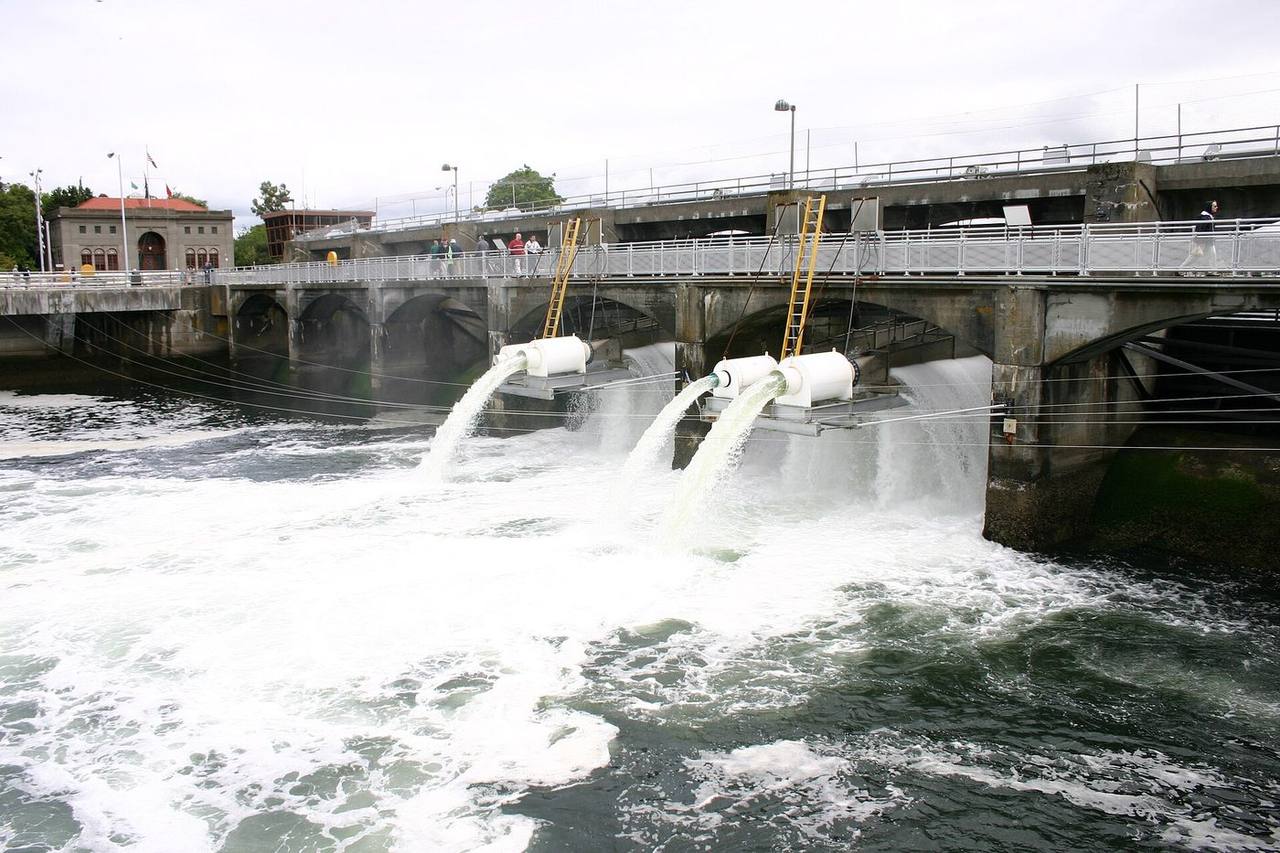
Ballard's landmarks reflect its maritime and industrial roots. The Hiram M. Chittenden Locks (the Ballard Locks) connect Puget Sound to the ship canal and include a fish ladder, and Golden Gardens Park offers Puget Sound beach and waterfront along Shilshole Bay. The National Nordic Museum anchors the neighborhood's Scandinavian heritage, and Fishermen's Terminal and Shilshole Bay Marina support the working fleet.
The commercial heart runs along Ballard Avenue and Market Street, with restaurants, shops, breweries, and the year-round Ballard Farmers Market. Ballard Avenue between NW Market Street and NW Dock Place is a designated City of Seattle Landmark District, created by ordinance in 1976 and listed on the National Register of Historic Places, which means exterior changes there are subject to review. The Burke-Gilman Trail passes through the area, though a roughly 1.4-mile 'Missing Link' near the waterfront has long been the subject of planning and legal disputes. Ballard is served by Seattle Public Schools, and homes in the neighborhood are within the Ballard High School attendance area; confirm the exact attendance area for any address using the district's Find Your School tool, since boundaries can change.
What buyers & sellers weigh in Ballard
- Confirm whether a home is legacy single-family, a newer townhome, or a condo, since each carries different land, HOA, and maintenance implications.
- Check any parcel against Seattle's Environmentally Critical Areas maps for mapped liquefaction-prone or fill soils, especially near Salmon Bay.
- For older Craftsman and pre-war homes, budget inspection time for foundations, sewer lines, wiring, and seismic retrofitting.
- Properties within the Ballard Avenue Landmark District are subject to design review for exterior changes.
- Factor the planned Ballard Link light rail (currently targeted for 2039) into long-term plans; alignment and timing are not yet final.
- Verify the assigned school attendance area with Seattle Public Schools for the specific address, since boundaries can shift.
What makes Ballard distinct
- A designated historic commercial core on Ballard Avenue that few neighboring areas share, with its own landmark design review.
- A genuine working waterfront on Salmon Bay, including Fishermen's Terminal, Shilshole Bay Marina, and the Ballard Locks.
- A concentrated Scandinavian and maritime heritage, anchored by the National Nordic Museum.
- An unusually wide age range of housing, from early-1900s bungalows to recent townhome and condo construction, often on the same street.
- A future light rail station via Sound Transit's Ballard Link Extension, alongside frequent RapidRide D Line bus service.
Services in Ballard
Ballard real estate FAQ
What kinds of homes are available in Ballard?
Ballard has a broad mix: early-1900s through 1930s Craftsman bungalows and other pre-war houses, plus a growing share of newer three-story townhomes, condominiums, and apartments added through up-zoning near the urban village core. You will often find these different types within the same few blocks.
Is light rail coming to Ballard?
Yes. Sound Transit's Ballard Link Extension is planned to bring light rail to the neighborhood via a tunnel under Salmon Bay and a Ballard station. The draft environmental review is expected in late 2026, and service is currently scheduled to open in 2039, so the alignment and timeline could still change.
Which school district and high school serve Ballard?
Ballard is served by Seattle Public Schools, and homes in the neighborhood fall within the Ballard High School attendance area. Because attendance boundaries can change, confirm the exact assignment for a specific address using the district's Find Your School tool.
Are there environmental factors buyers should check in Ballard?
Parts of Ballard, especially lower-lying areas on fill near Salmon Bay, include liquefaction-prone soils that Seattle regulates under its Environmentally Critical Areas code. Check a specific parcel against the city's ECA maps and plan for appropriate geotechnical and structural inspection.
Sources & data
- Ballard, Seattle - Wikipedia
- Ballard Avenue Landmark District - City of Seattle
- Ballard Avenue Historic District - Wikipedia
- Mapping Historic Ballard - Ballard Historical Society
- Ballard Link Extension - Sound Transit
- Ballard Link Extension - Wikipedia
- Burke-Gilman Trail Missing Link - City of Seattle
- The Urbanist - Natural Hazards in Seattle (liquefaction)
- Seattle Public Schools - Find Your School
- Explore Ballard's Historic Maritime District - Port of Seattle